
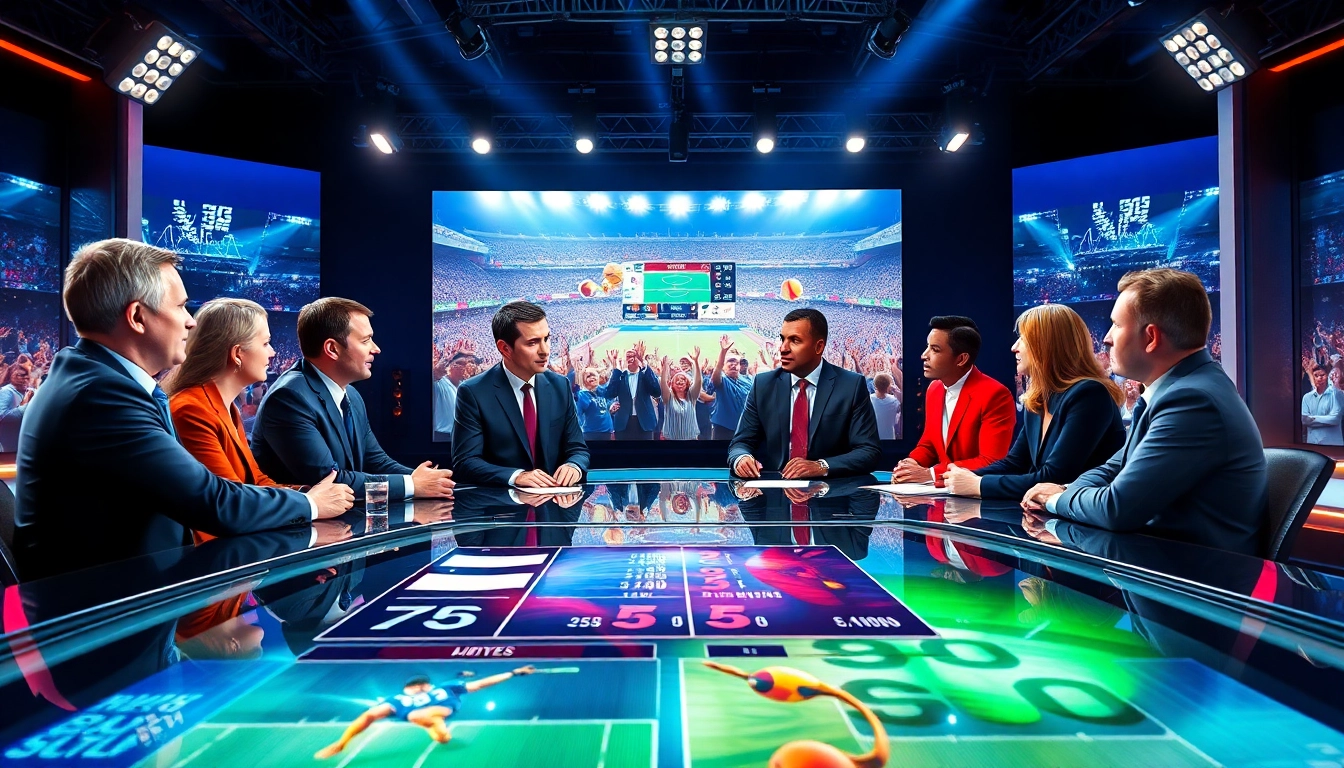
Understanding the Landscape of Sports Broadcasting
What is Sports Broadcasting?
Sports Broadcasting encompasses the production and dissemination of sports content through various media channels. This field has evolved significantly to include television, radio, and the burgeoning world of online streaming. The ability to engage audiences in real-time while providing expert commentary and analysis is crucial. As sports viewing habits change, understanding the intricacies of sports broadcasting, including its history, technology, and audience engagement strategies, is essential for broadcasters, marketers, and sports organizations alike. Stakeholders are continuously challenged to keep pace with innovations and shifts in viewer preferences, particularly as interest grows in digital platforms. For more insights, refer to Sports Broadcasting.
Historical Evolution and Trends in Sports Broadcasting
The roots of sports broadcasting can be traced back to the early 20th century, where radio broadcasts marked the beginning of fans listening to live sports events. This was followed by the introduction of television, which revolutionized how audiences experienced sports. In the subsequent decades, the coverage expanded, with dedicated sports networks emerging in the 1980s and beyond. A notable trend is the gradual shift from traditional broadcasting to digital platforms, driven by advancements in technology and changing consumer habits. The rise of mobile devices and high-speed internet access has made on-the-go streaming a norm. Hence, understanding these trends is pivotal for anyone in the sports broadcasting space.
Key Players in the Sports Broadcasting Industry
The sports broadcasting industry comprises a mix of large networks, cable channels, and online streaming platforms. Major sports networks serve as traditional giants, providing extensive coverage across various sports. Conversely, newer entrants like streaming services have disrupted this space, leading to competitive partnerships and exclusive deals. These players not only create content but also shape the viewing experience through innovative formats, such as augmented reality graphics and multi-camera angles. Moreover, rights holders, production companies, and advertisers play crucial roles in the ecosystem, driving revenue and audience engagement.
Technologies Transforming Sports Broadcasting
Impact of Streaming Platforms on Sports Broadcasting
The advent of streaming platforms has significantly altered the sports broadcasting landscape. Viewers now have the power to choose what they watch, when they watch it, and how they interact with the content. This paradigm shift encourages broadcasters to innovate continuously. Many have begun to adopt hybrid models that combine traditional broadcasting with digital elements, thereby enhancing viewer choice. Furthermore, these platforms allow for niche sports programming, catering to diverse audience preferences. The analysis of viewer data from these services also enables broadcasters to tailor content more effectively to engage their audiences.
Emerging Technologies: AI and AR in Sports Broadcasting
Artificial Intelligence (AI) and Augmented Reality (AR) are at the forefront of transformative technologies in sports broadcasting. AI is leveraged for data analysis to enhance commentary, create predictive models, and improve viewer experiences through personalized content recommendations. Meanwhile, AR facilitates the integration of enhanced graphics during live broadcasts, providing viewers with more engaging and interactive experiences. Examples include real-time statistics overlays or virtual player comparisons that enhance a viewer’s understanding of the game. Collectively, these technologies foster a more immersive viewing experience.
Choosing the Right Equipment for Optimal Broadcasting
In sports broadcasting, selecting the appropriate equipment is crucial for achieving high production quality. Broadcasters must consider camera types, sound equipment, and editing software to ensure they capture and present live sports effectively. High-definition cameras and drones can provide unique angles that enhance storytelling, while advanced audio equipment captures the atmosphere of live events. Furthermore, integrating broadcast servers and streaming tools is essential for a seamless transition from production to viewer engagement. Equipment choice can directly affect the overall quality and viewer satisfaction.
Audience Engagement Strategies in Sports Broadcasting
Building a Strong Audience Community
Creating a dedicated audience community is paramount in sports broadcasting. Engaging fans extends beyond the broadcast itself; it encompasses fostering a sense of belonging through interactive platforms. This can include fan clubs, online forums, and dedicated social media pages where fans can converse and share their passion. It’s essential for broadcasters to encourage feedback and incorporate viewer perspectives, as doing so personalizes the experience. Building loyalty among an audience requires ongoing communication, exclusive content, and special events that further enhance community feeling.
Utilizing Social Media for Real-Time Engagement
Social media platforms allow broadcasters to engage with fans in real time, sharing highlights, behind-the-scenes content, and live polls during events. This immediacy not only complements traditional broadcasting but also cultivates a vibrant online dialogue. Broadcasters can respond to audience sentiments, creating interactive experiences through live chats or social media hashtags. These interactions encourage viewers to share content, broadening reach and visibility. Furthermore, leveraging analytics from these interactions informs future content strategies and engagement efforts.
Content Strategies for Maximum Viewer Retention
Developing compelling content strategies is key to retaining viewers in a saturated market. Content must be relevant, timely, and interesting to keep audiences engaged. Utilizing storytelling techniques can enhance broadcasts; showcasing athletes’ journeys or focusing on rivalries adds depth and emotional resonance. Incorporating interactive elements, such as viewer polls and quizzes, can also maintain interest. Regularly assessing viewer preferences and adapting content accordingly ensures that broadcasters remain a pivotal part of their audience’s sports experience, ultimately increasing retention rates.
Optimizing Live Sports Broadcasting for Success
Identifying Key Metrics for Performance Tracking
Performance tracking in sports broadcasting goes beyond viewer counts; it encompasses a comprehensive analysis of engagement metrics. Key performance indicators (KPIs) include viewer retention rates, average watch time, and social media interactions. Analyzing these metrics provides insights into audience behavior and content performance, allowing broadcasters to make data-driven decisions. Incorporating data analytics tools can help identify trends over time and improve overall strategies, fostering growth in viewer engagement and satisfaction.
Best Practices for Live Broadcast Production
Excellence in live sports broadcasting requires meticulous planning and execution. Best practices begin with thorough pre-production meetings involving all stakeholders to outline expectations and responsibilities. An elevated focus on technical checks ensures that equipment functions optimally before broadcasts. Having contingency plans for technical issues or unexpected delays is also advisable. Post-production evaluation, including gathering team feedback, can identify areas for improvement. Maintaining high standards during production ensures that broadcasts meet viewer expectations consistently.
Enhancing Viewer Experience Through Interactive Content
Interactive content significantly enriches the viewer experience in sports broadcasting. Initiatives could include offering multi-camera views, allowing viewers to choose their perspective during live events. Other formats could include interactive graphics and real-time stats that enhance understanding and engagement during broadcasts. Button-driven interfaces could permit viewers to access player profiles or game highlights instantly. These innovations can turn passive viewers into active participants who feel more connected to the event.
Future Trends in Sports Broadcasting
Predictions for the Future of Sports Broadcasting
The future of sports broadcasting is poised for further innovation as technology continues to advance. The integration of virtual reality (VR) and expanded interactive features is expected to rise, allowing fans unprecedented engagement levels. Additionally, automated broadcasting via AI might streamline production, reducing labor costs while maintaining quality. The personalization of content is anticipated to evolve, with broadcasts tailored to individual preferences based on viewing history and engagement analytics. These trends indicate an ongoing push toward more immersive and engaging viewer experiences.
Adapting to Changing Viewer Preferences
Adapting to evolving viewer preferences is fundamental for success in sports broadcasting. Data analytics will play a crucial role in this adaptation process, allowing broadcasters to understand what resonates with their audience. The increasing demand for on-demand content reflects a notable shift away from live event broadcasts; hence providing flexibility in viewing options is essential. Understanding demographic trends and psychographics will enable organizations to create targeted campaigns and programming that align with their audience’s desires.
Emerging Markets and Opportunities in Sports Broadcasting
The globalization of sports presents emerging markets for sports broadcasting. Regions once considered niche markets are now gaining prominence due to the rise of local leagues and international competitions. Additionally, leveraging technology can facilitate reaching these new audiences through mobile platforms tailored to their preferences. Engaging effectively with these emerging markets can open new revenue streams and expand viewer bases. Broadcasters that actively tailor their offerings to diverse cultures and tastes will likely find increased success in this shifting landscape.
Frequently Asked Questions
What is the main purpose of sports broadcasting?
The main purpose of sports broadcasting is to deliver live sports events, highlights, and analyses through various media channels to engage and inform audiences.
How has technology influenced sports broadcasting?
Technology has profoundly impacted sports broadcasting by enabling streaming, introducing AI and AR solutions, and enhancing production quality for viewer engagement.
What strategies can enhance audience engagement?
Building community, real-time engagement on social media, and employing compelling content strategies are effective ways to enhance audience engagement in sports broadcasting.
What are key metrics for measuring broadcast performance?
Key metrics for measuring broadcast performance include viewer retention rates, average watch time, and social media interactions to gauge audience engagement.
What future trends are expected in sports broadcasting?
Future trends may include more personalized content, increased use of virtual reality, and automated broadcasting technologies enhancing viewer experience.